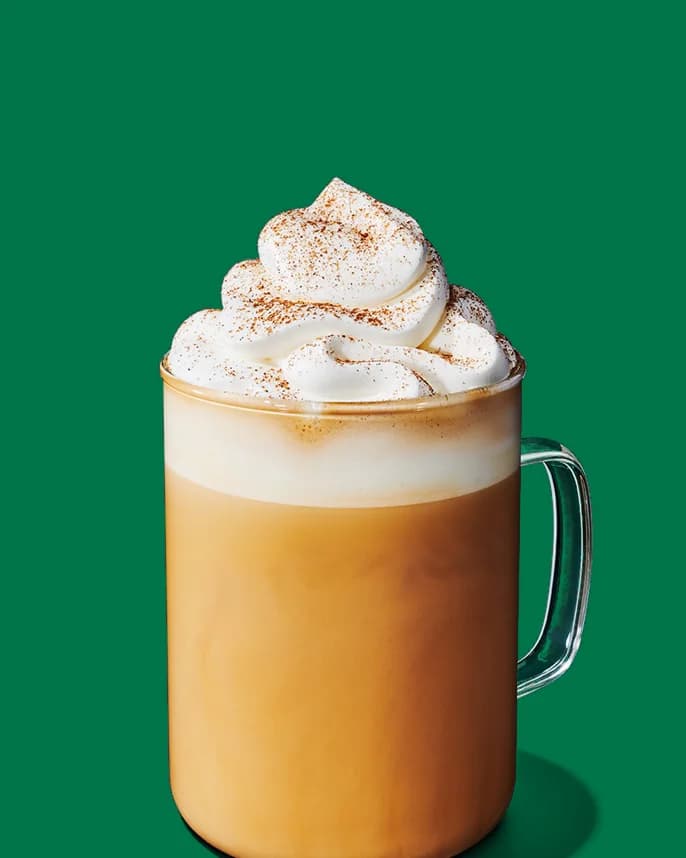
390 calories, 150 mg caffeine for a Grande
Handcrafted by a barista and made exactly the way you like it, from the first shot to the last sip.
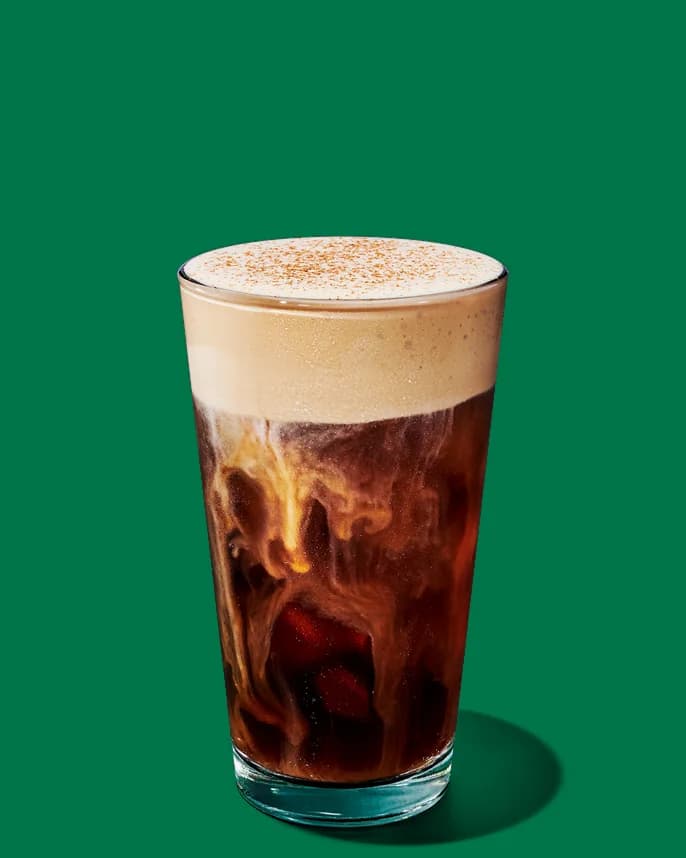
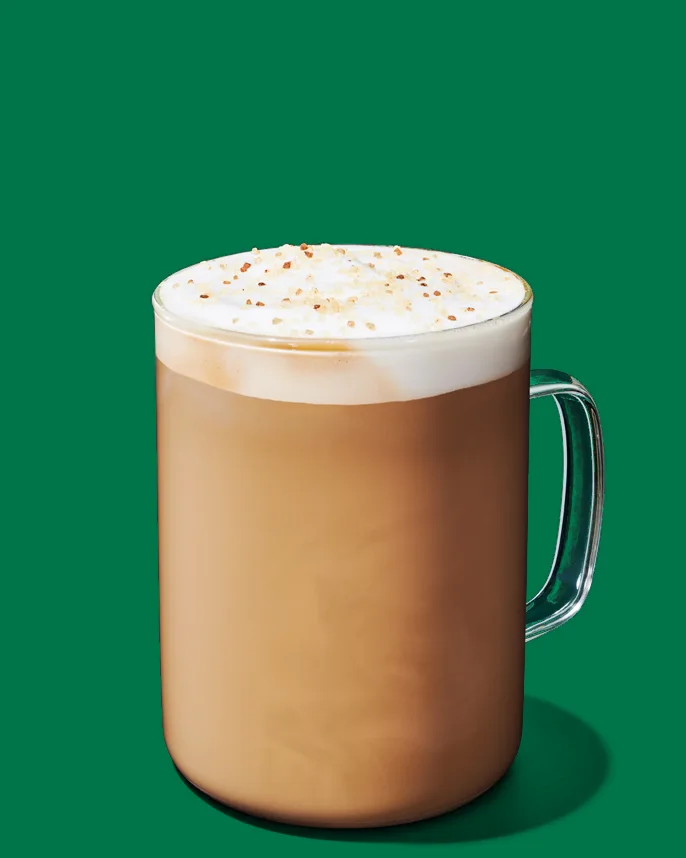
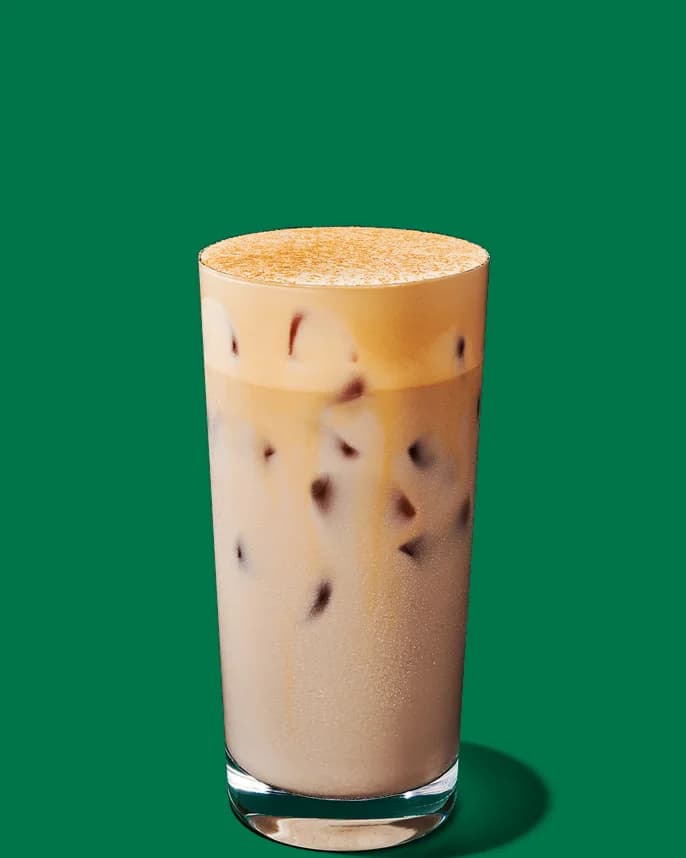
Calories and caffeine for a Grande, from starbucks.com. Availability varies by store.
See all drinksStarbucks began in 1971 as a single store selling whole bean coffee, tea and spices. Today it’s more than 40,000 stores in 88 markets, and every drink is still handcrafted.
Store count as published by Starbucks in 2024. Read the story
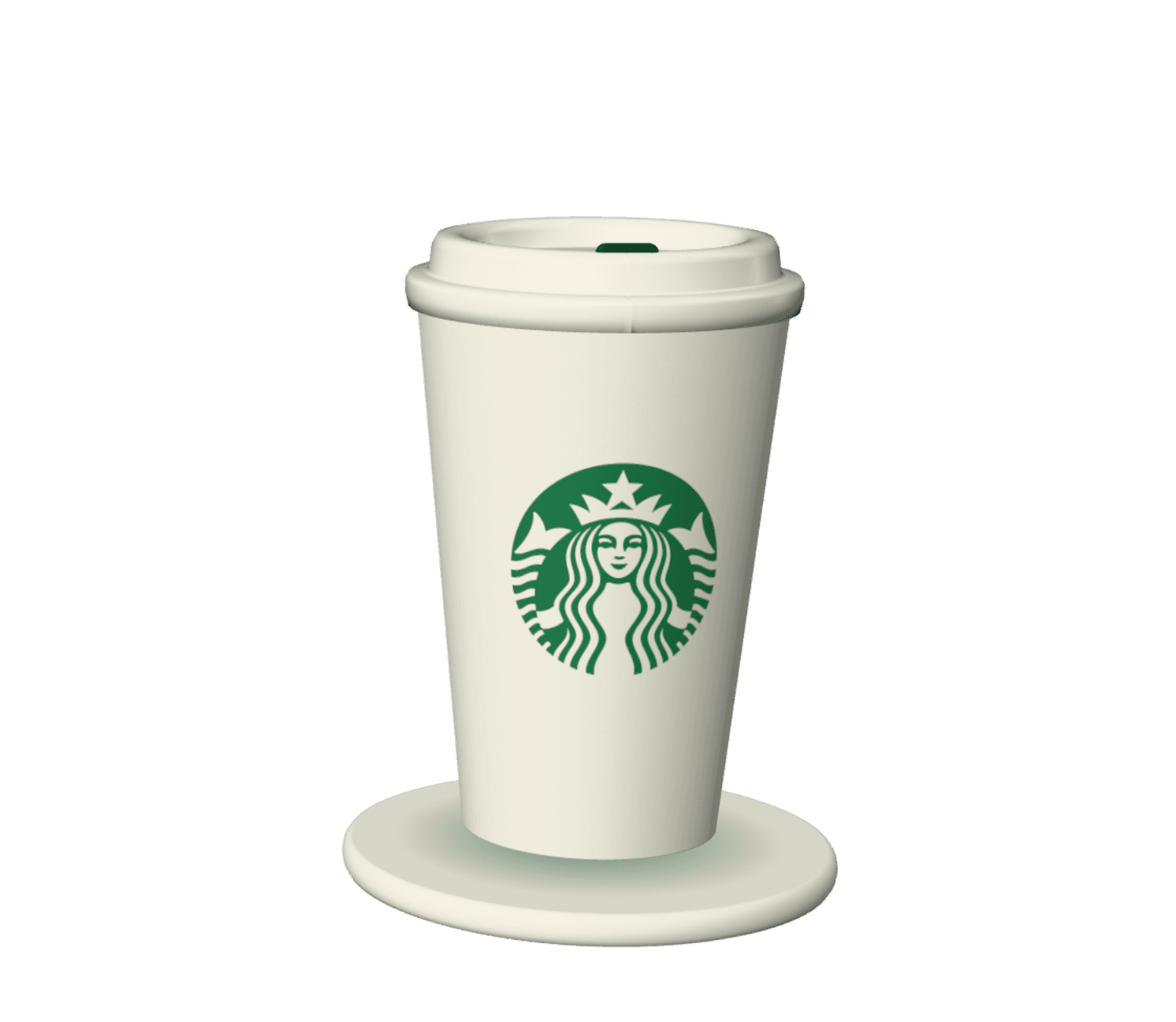
A grande hot cup: 16 fl oz, with the Siren on the front.
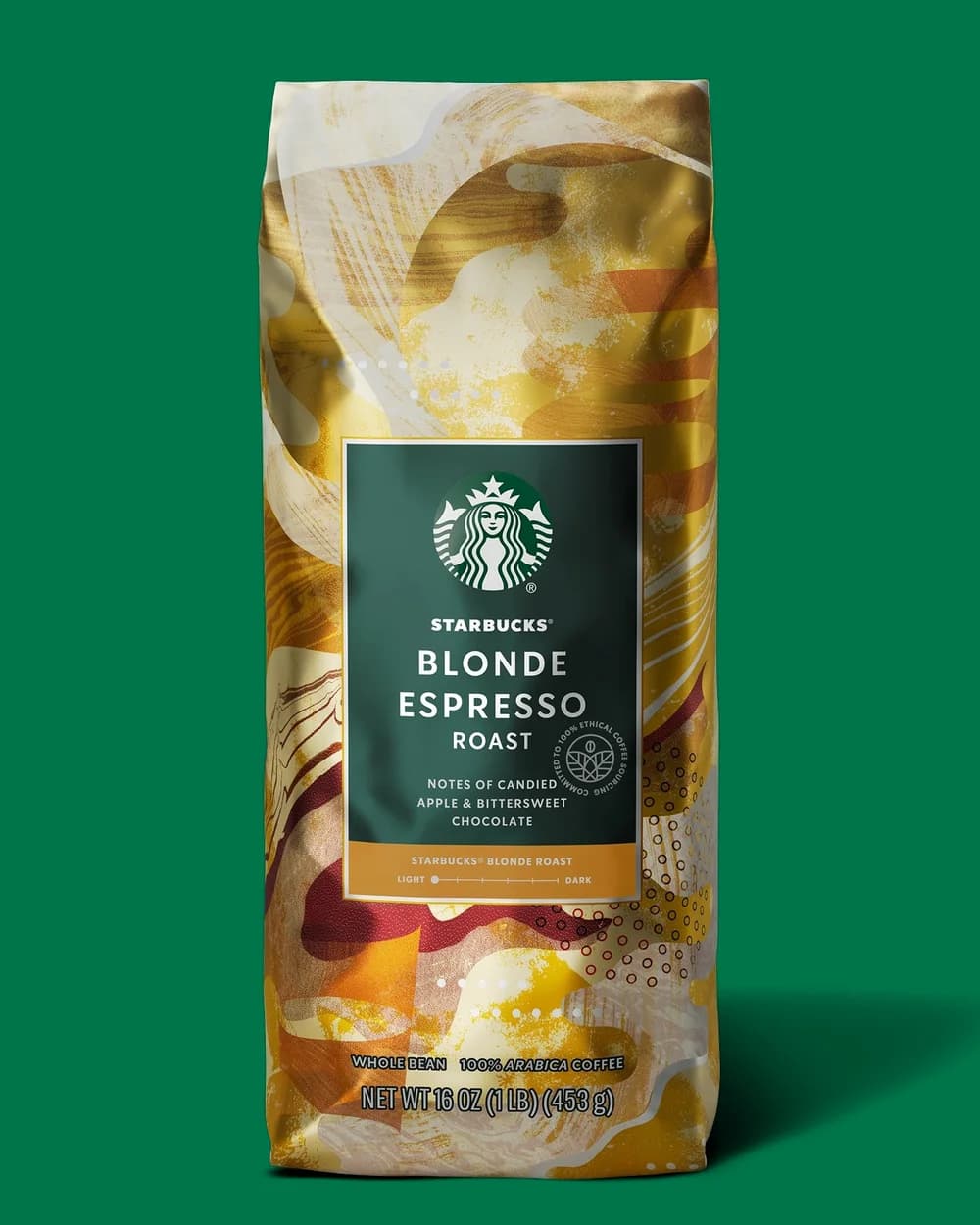
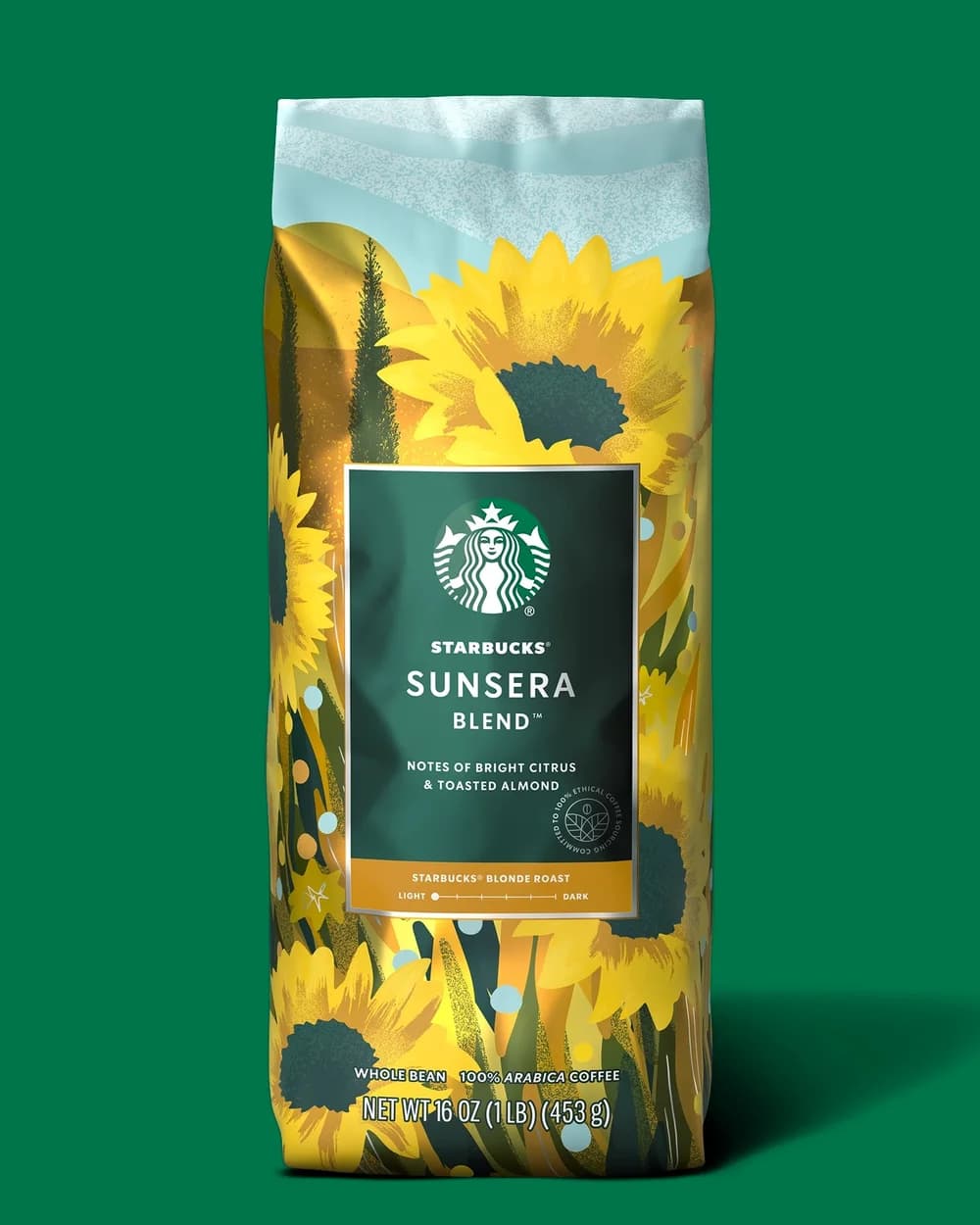
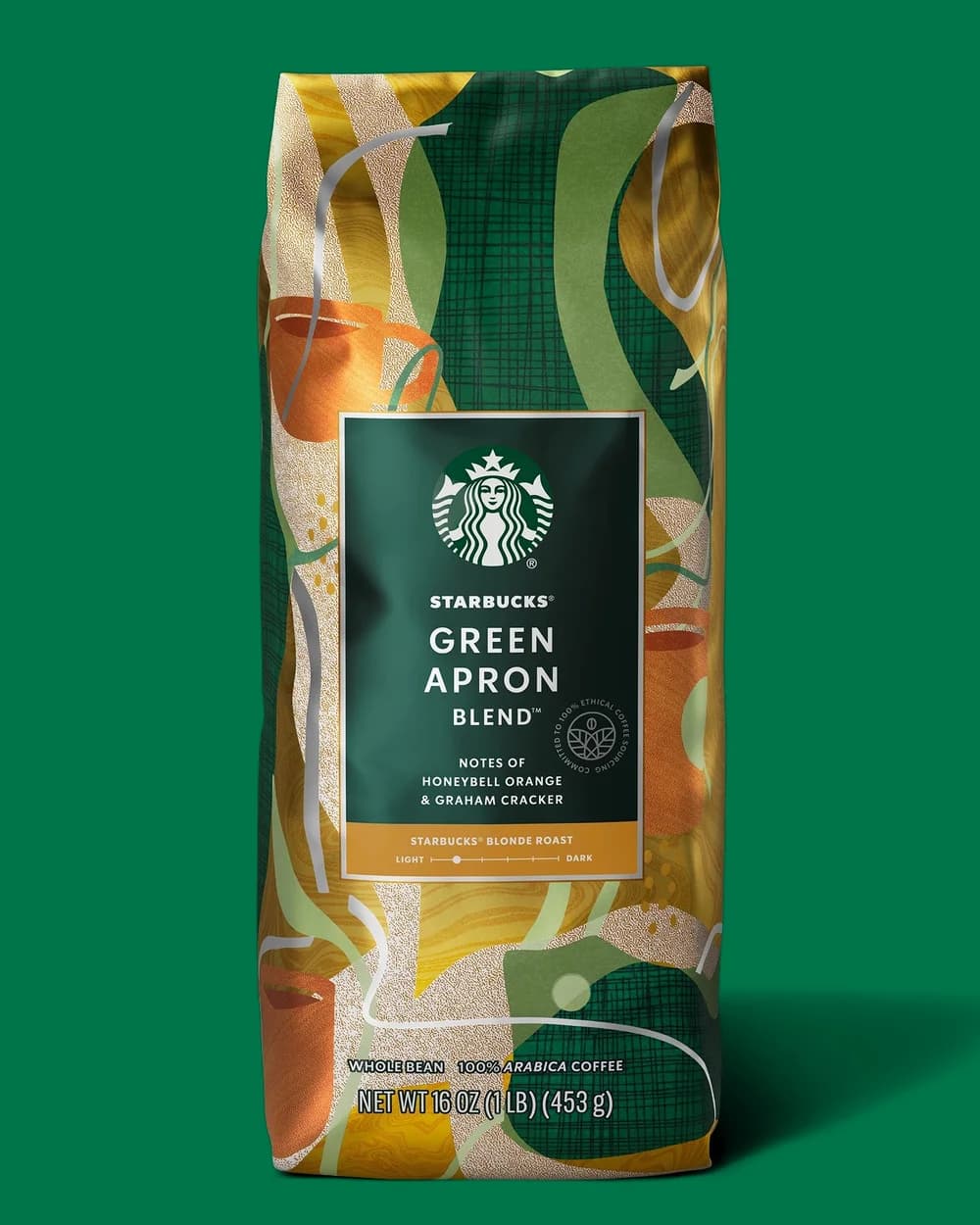
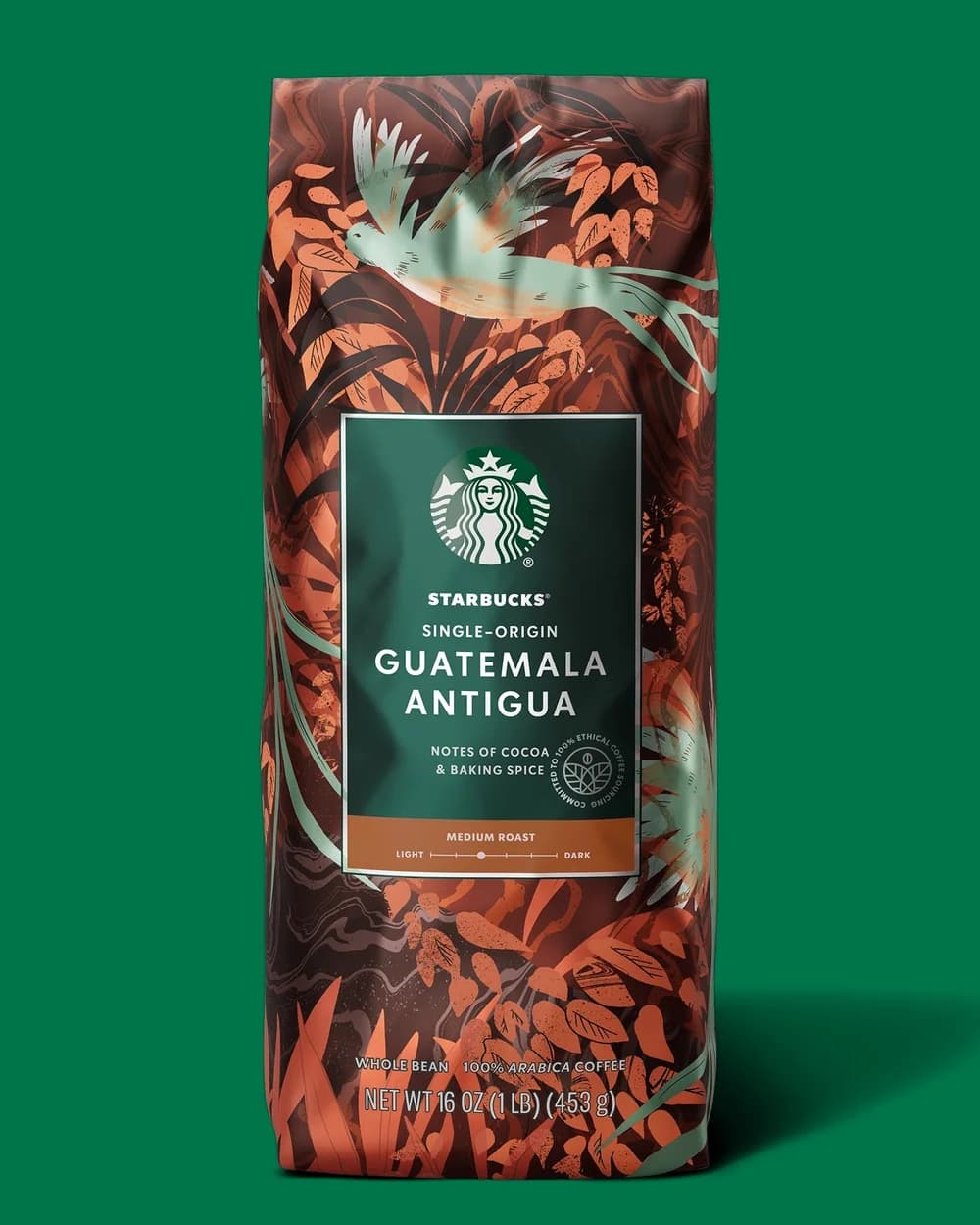
Whole bean coffee, cups and brewers from the official Starbucks shop.
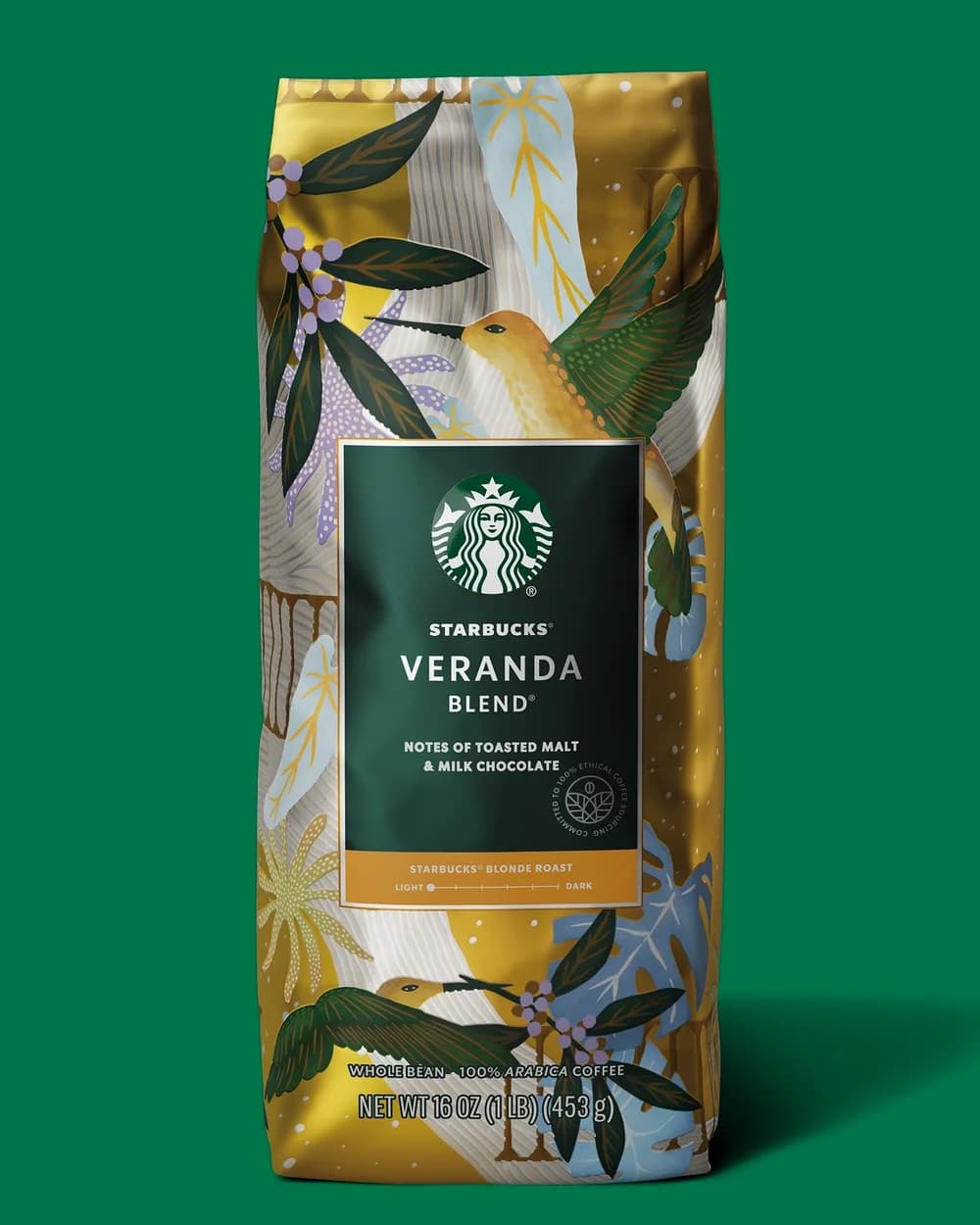
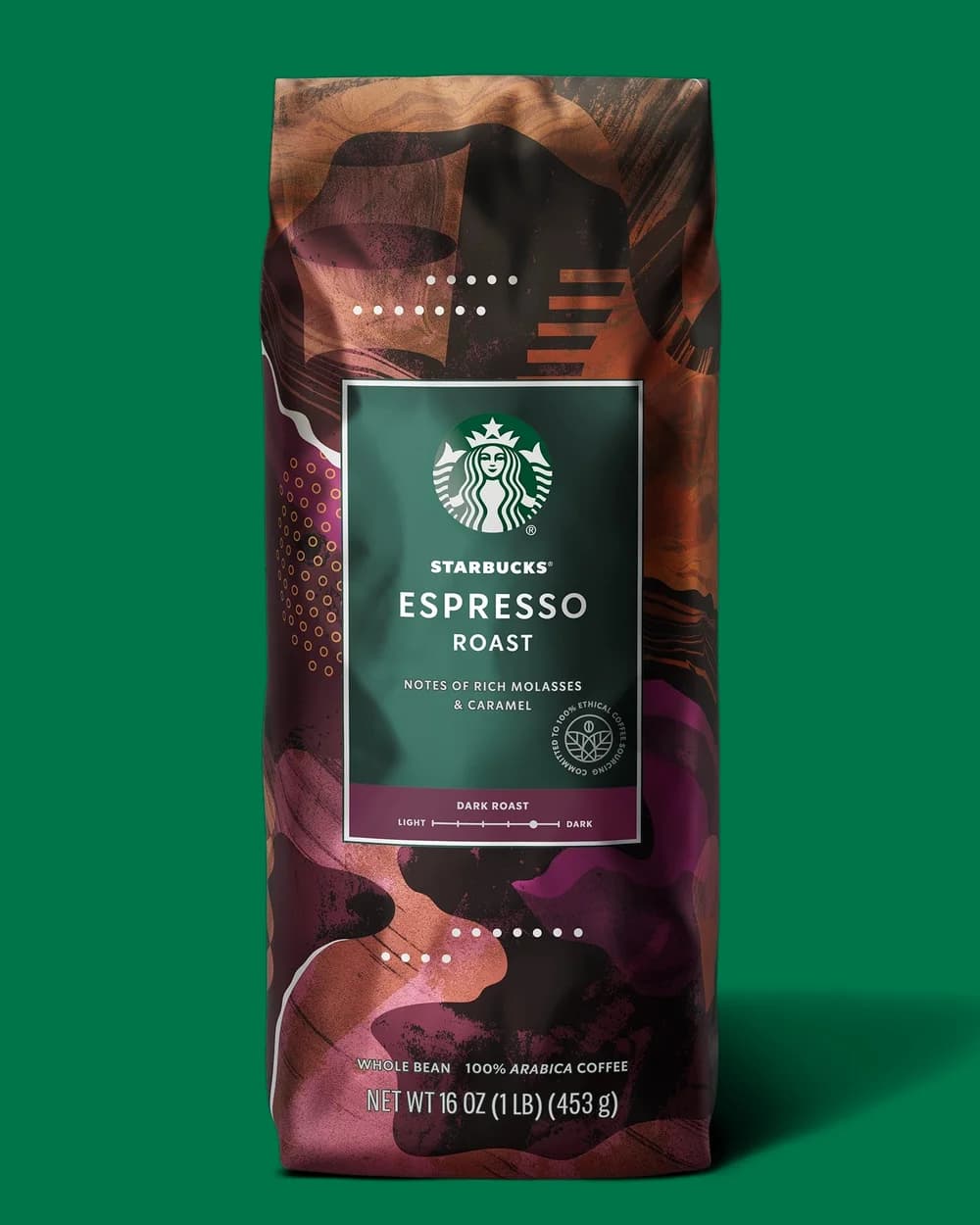
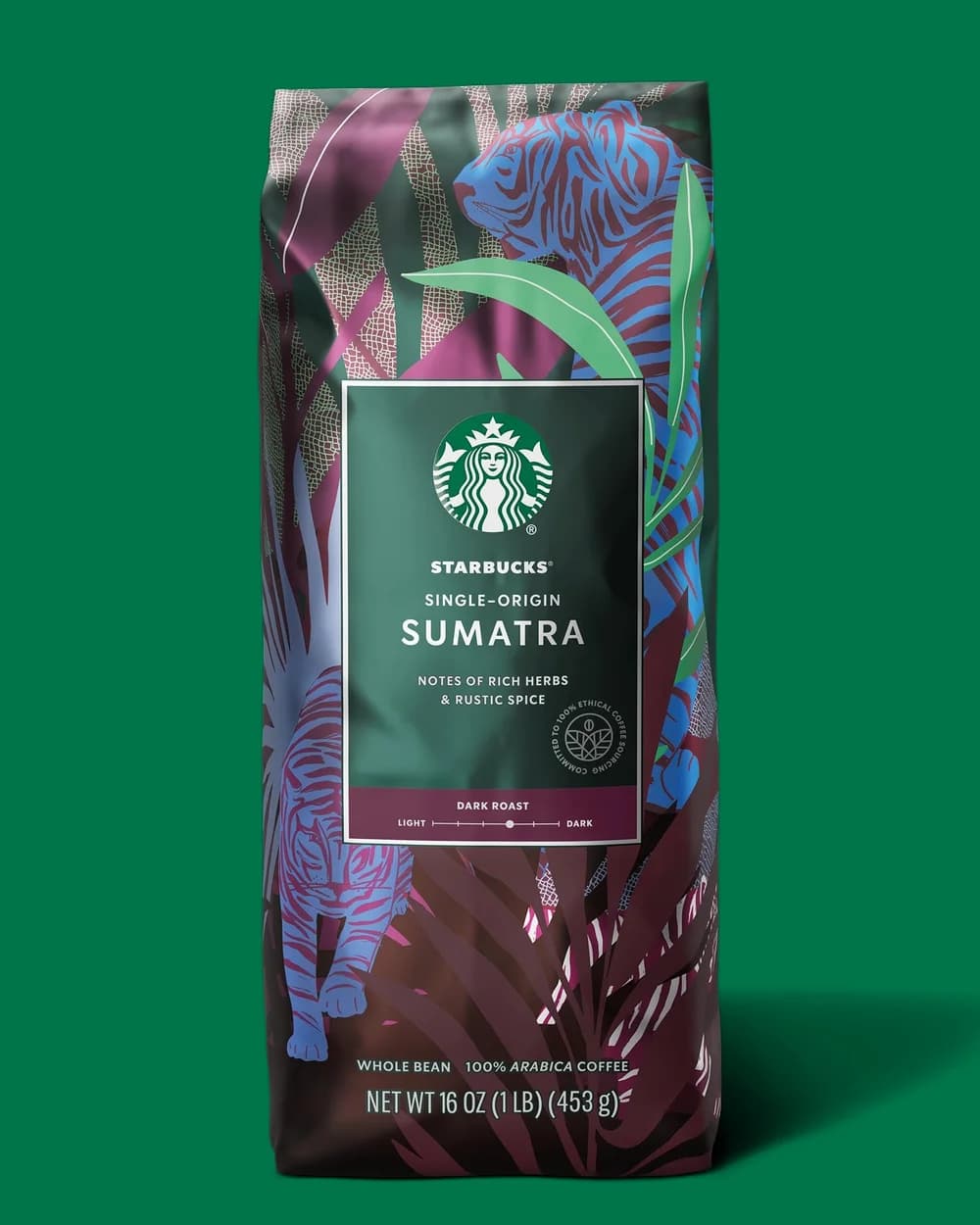
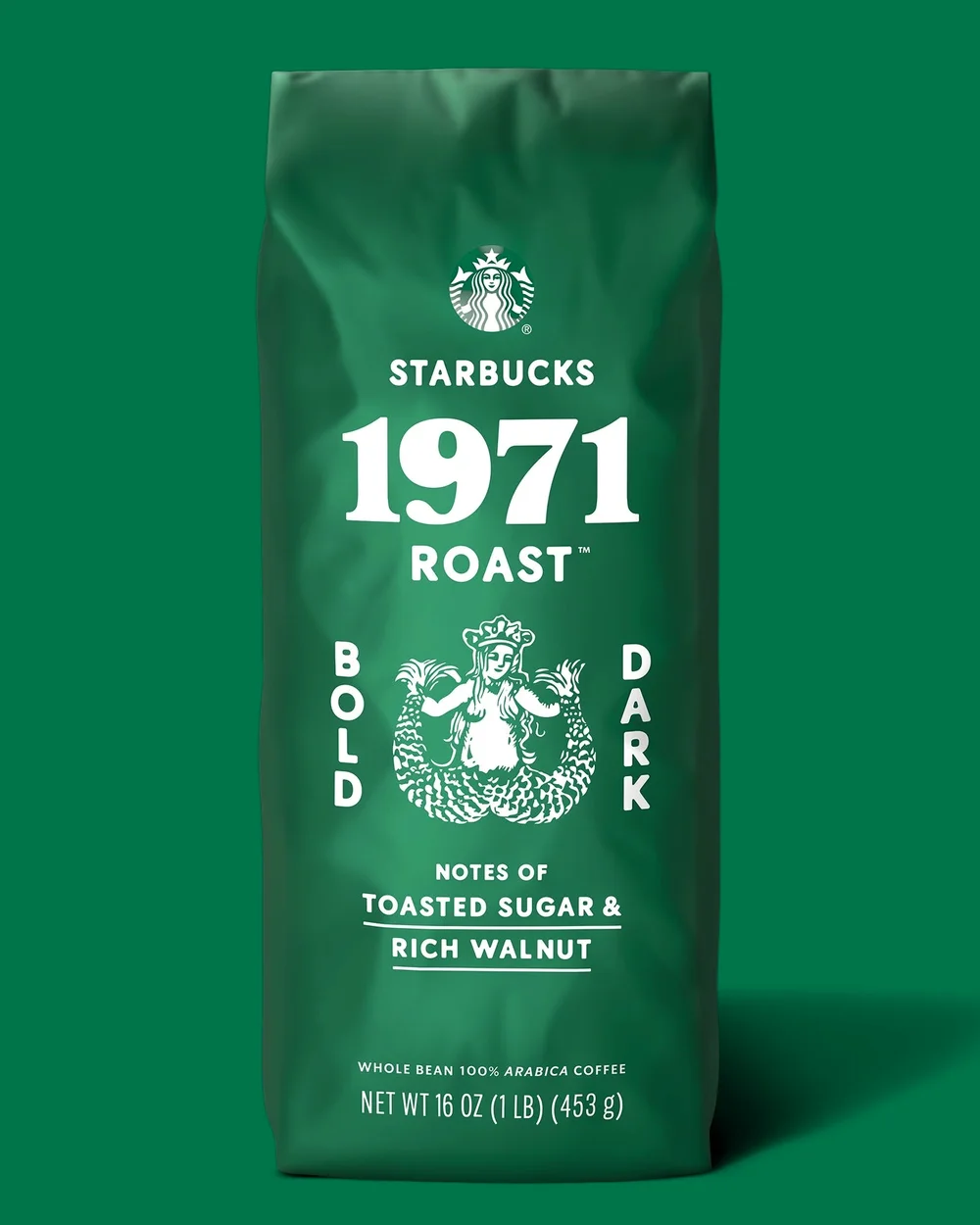
Toasted malt & milk chocolate
SAR 52.31 Whole Bean · 1 lb
1 / 11
Prices from shop.starbucks.com, converted to SAR at the fixed 3.75 rate, checked 22 Sep 2026.
Browse the whole shopFour steps every Starbucks coffee takes before it reaches the counter.
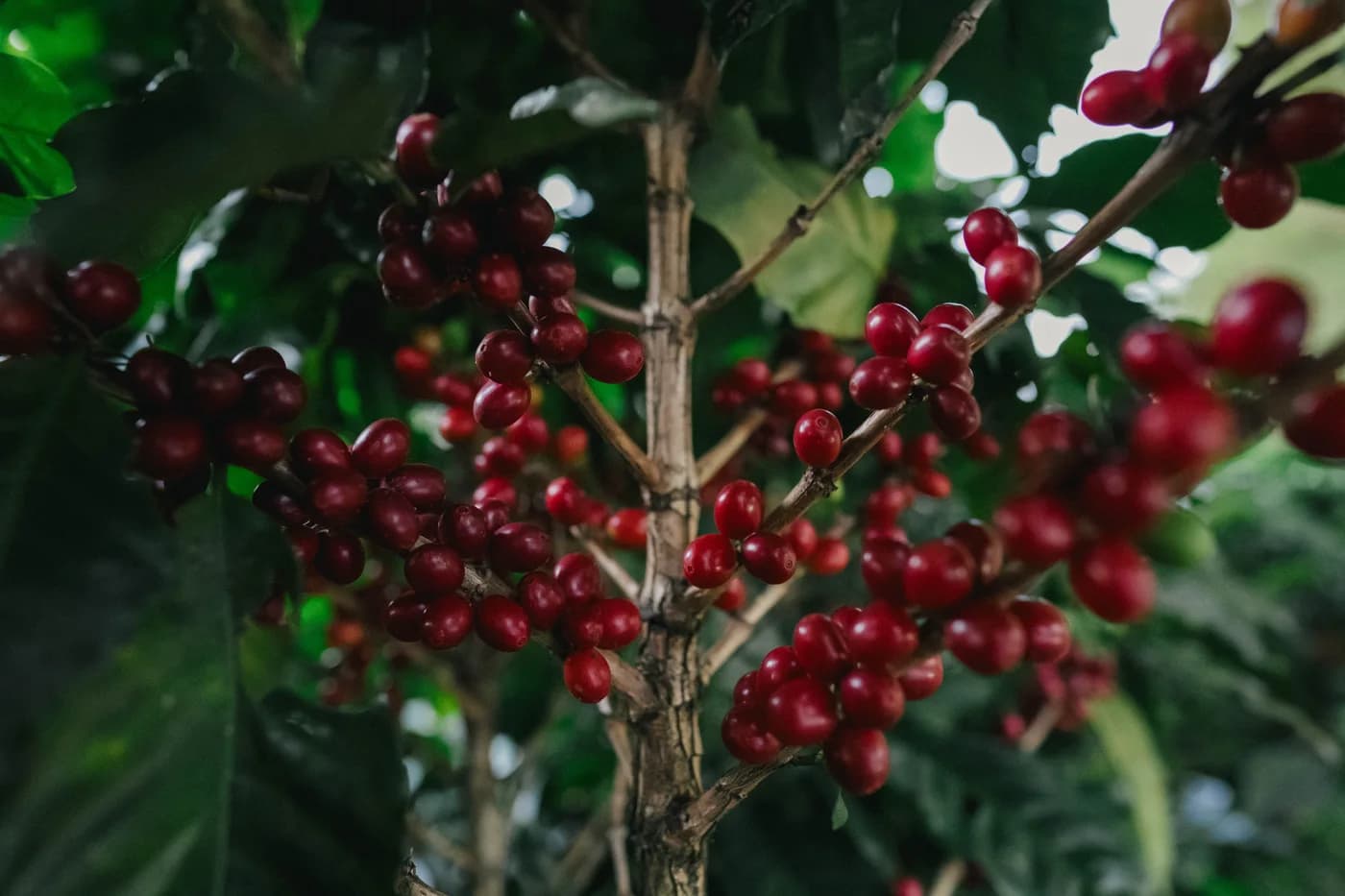
Starbucks buys 100% arabica coffee from more than 450,000 farmers across 30 markets along the Coffee Belt: Latin America, Africa and Asia Pacific.
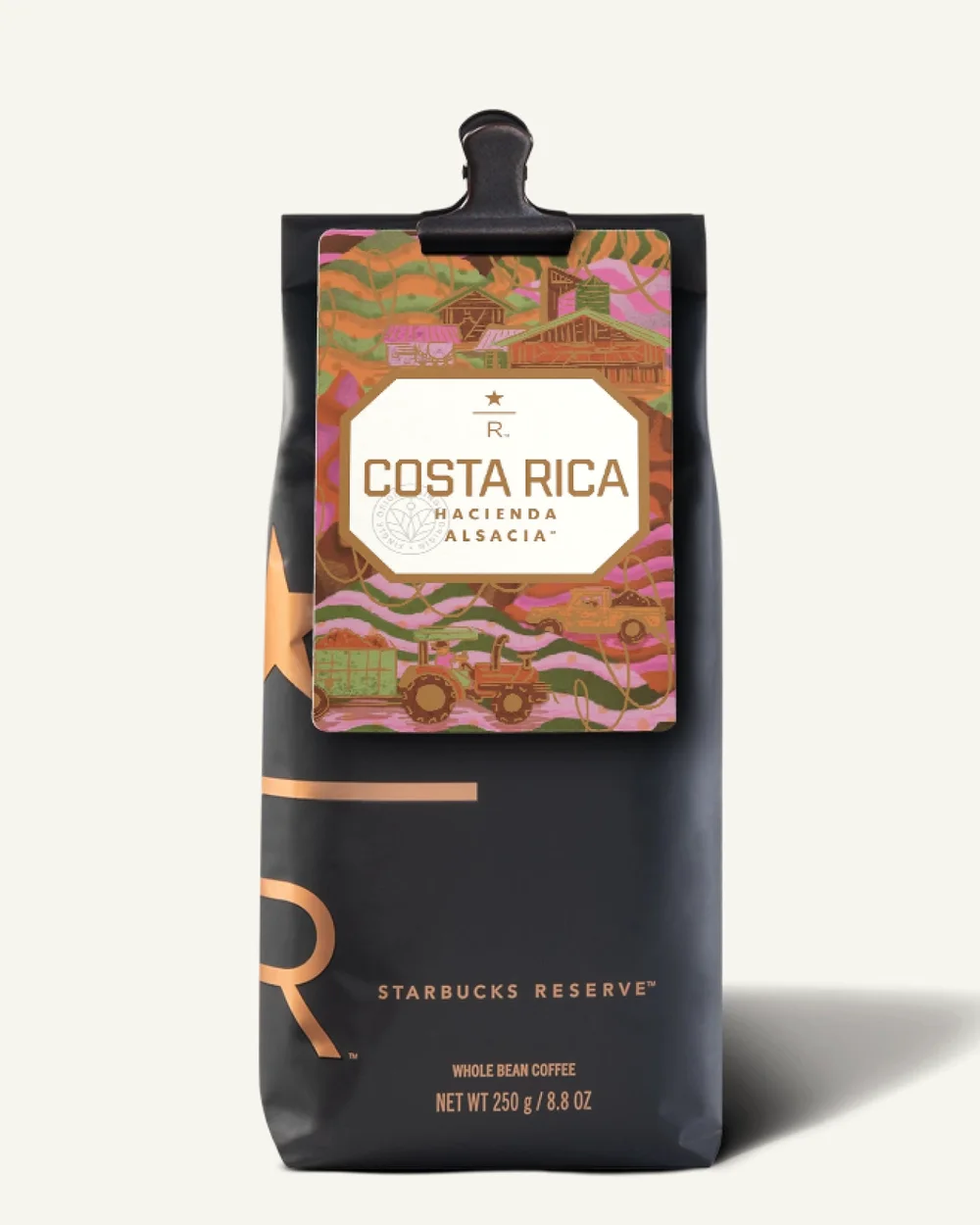
At Hacienda Alsacia, its research farm on the slopes of the Poás Volcano in Costa Rica, agronomists keep more than 600 coffee varieties and give the most climate-resistant seedlings to farmers for free.
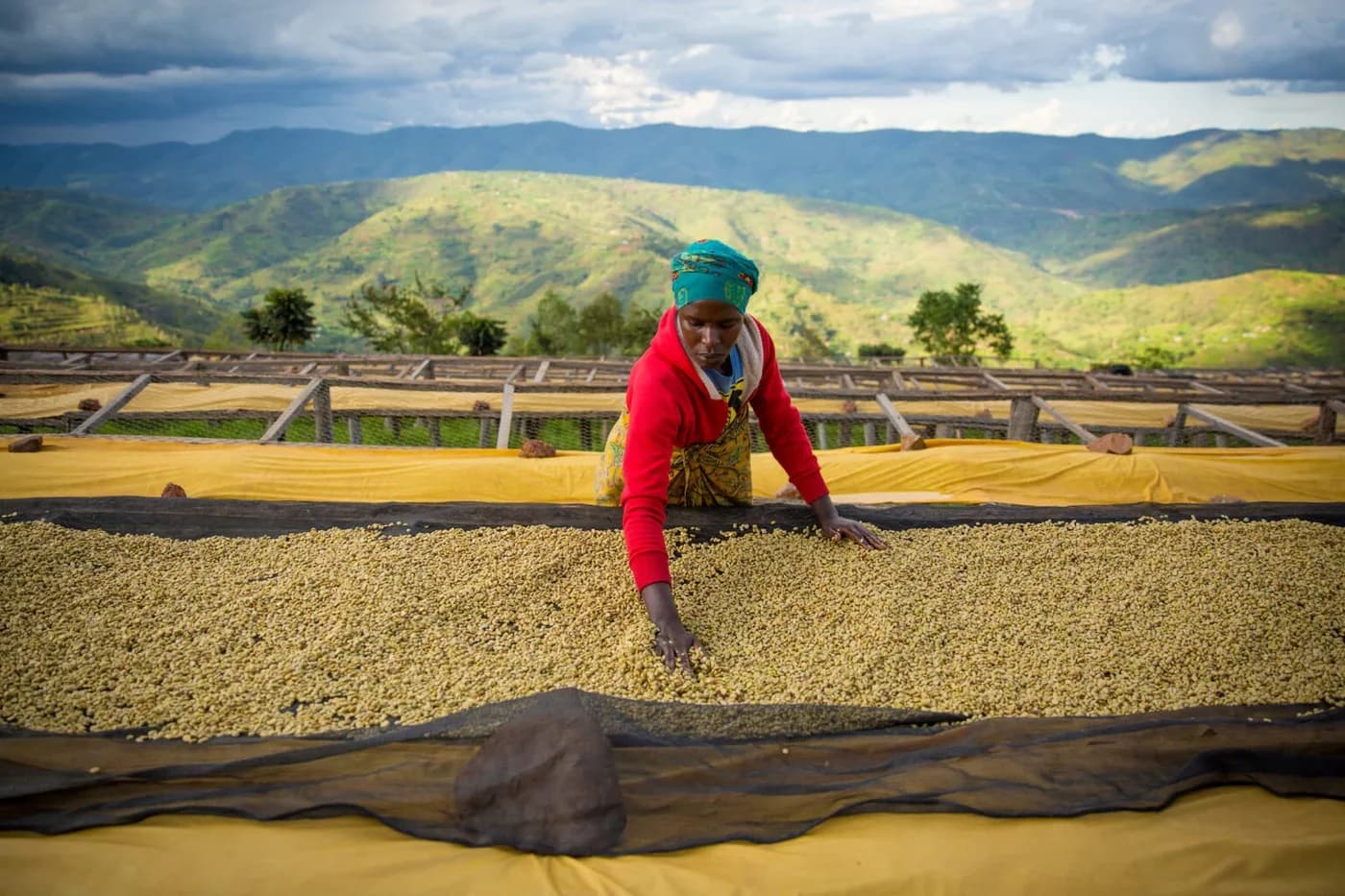
In 2004 Starbucks and Conservation International created C.A.F.E. Practices: more than 200 checkpoints for economic transparency, social responsibility, environmental leadership and quality, each verified by an independent third party.
10 Farmer Support Centers share agronomy with farmers at no cost, whether or not they sell to Starbucks. More than 95% of the farms Starbucks buys from are small, most under 2 hectares.
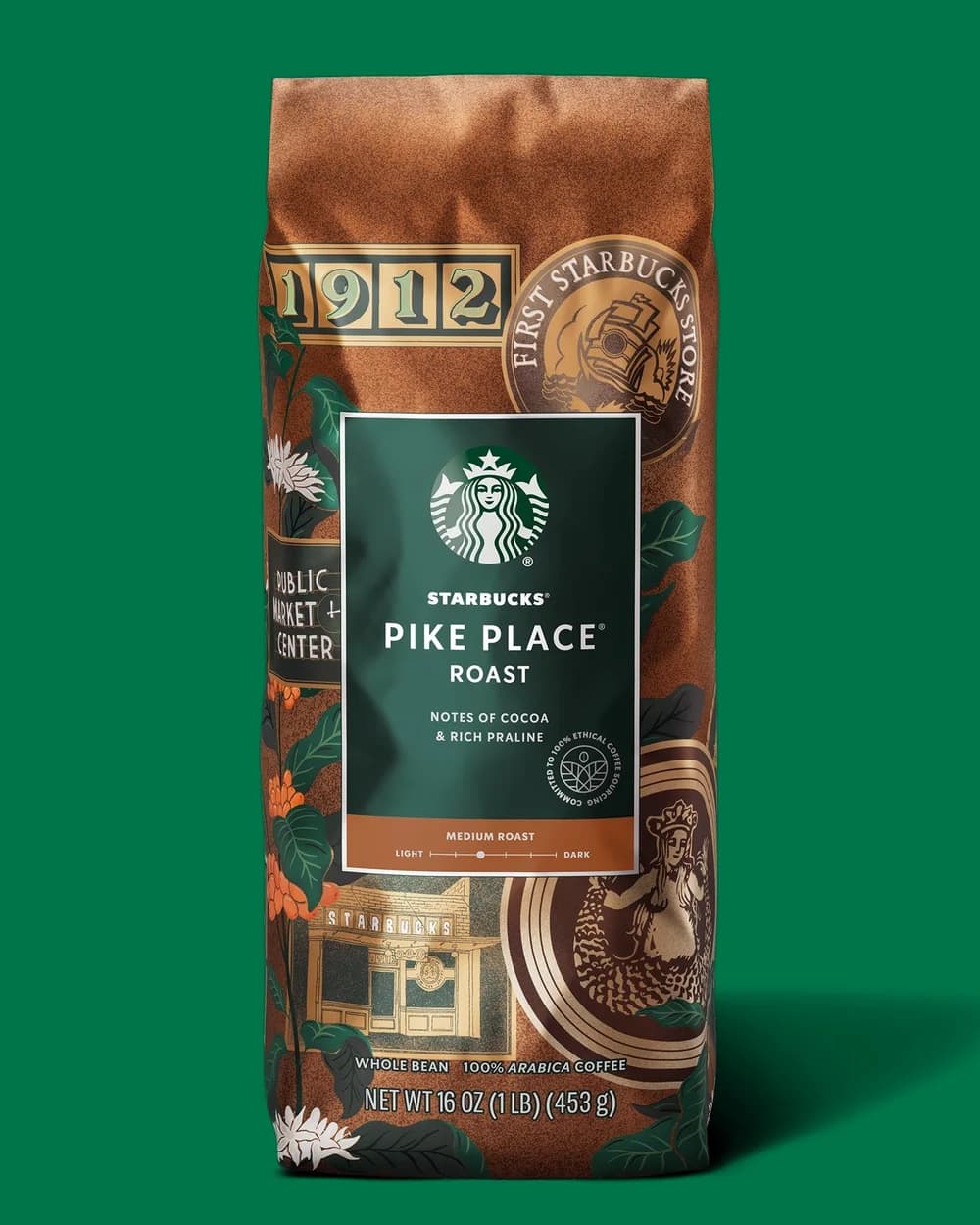
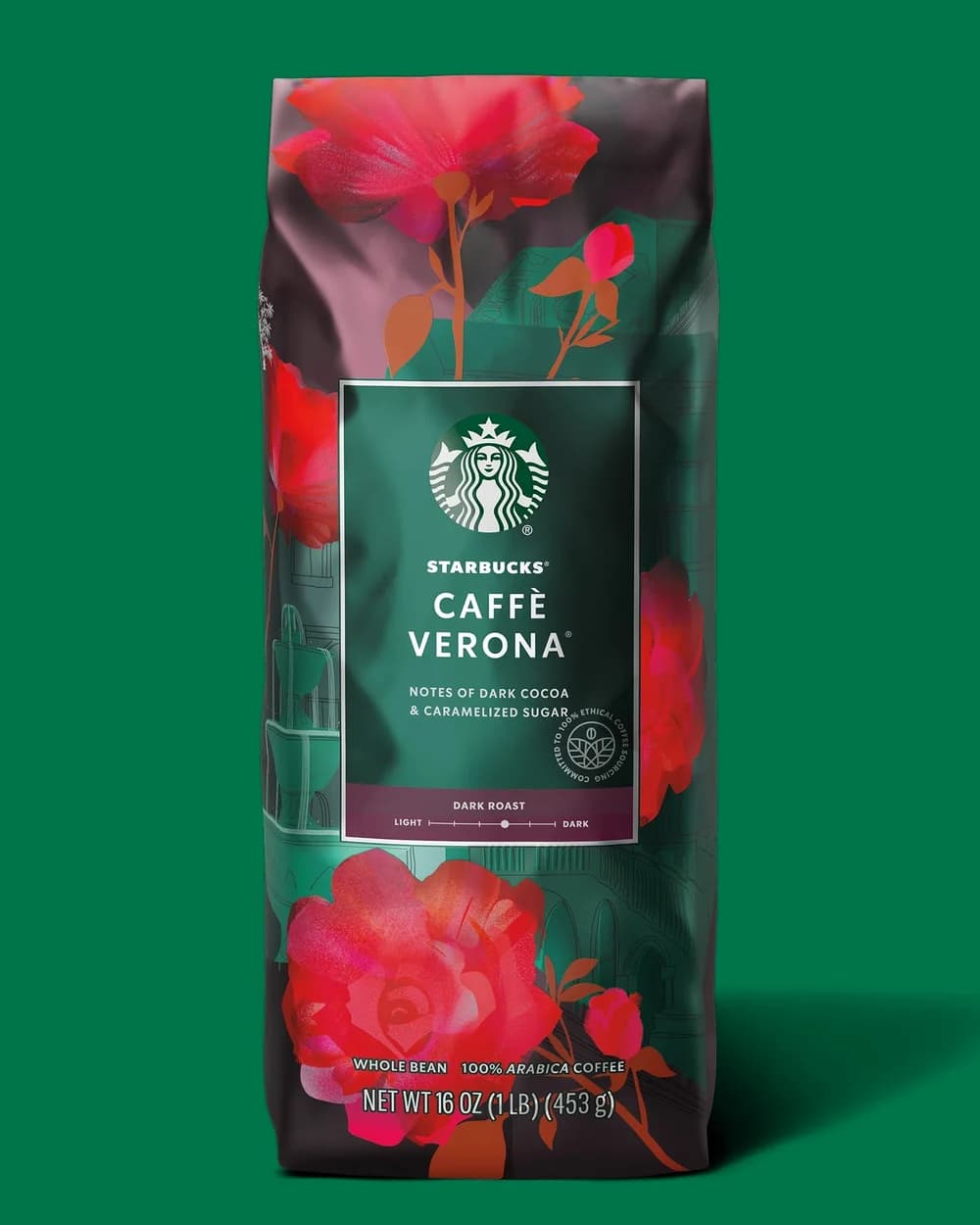
Each coffee gets its own roast profile. Together they make the Starbucks Roast Spectrum, from mellow Blonde to smooth Medium to bold Dark.
The middle of the spectrum. Smooth and balanced, with rich, approachable flavors.
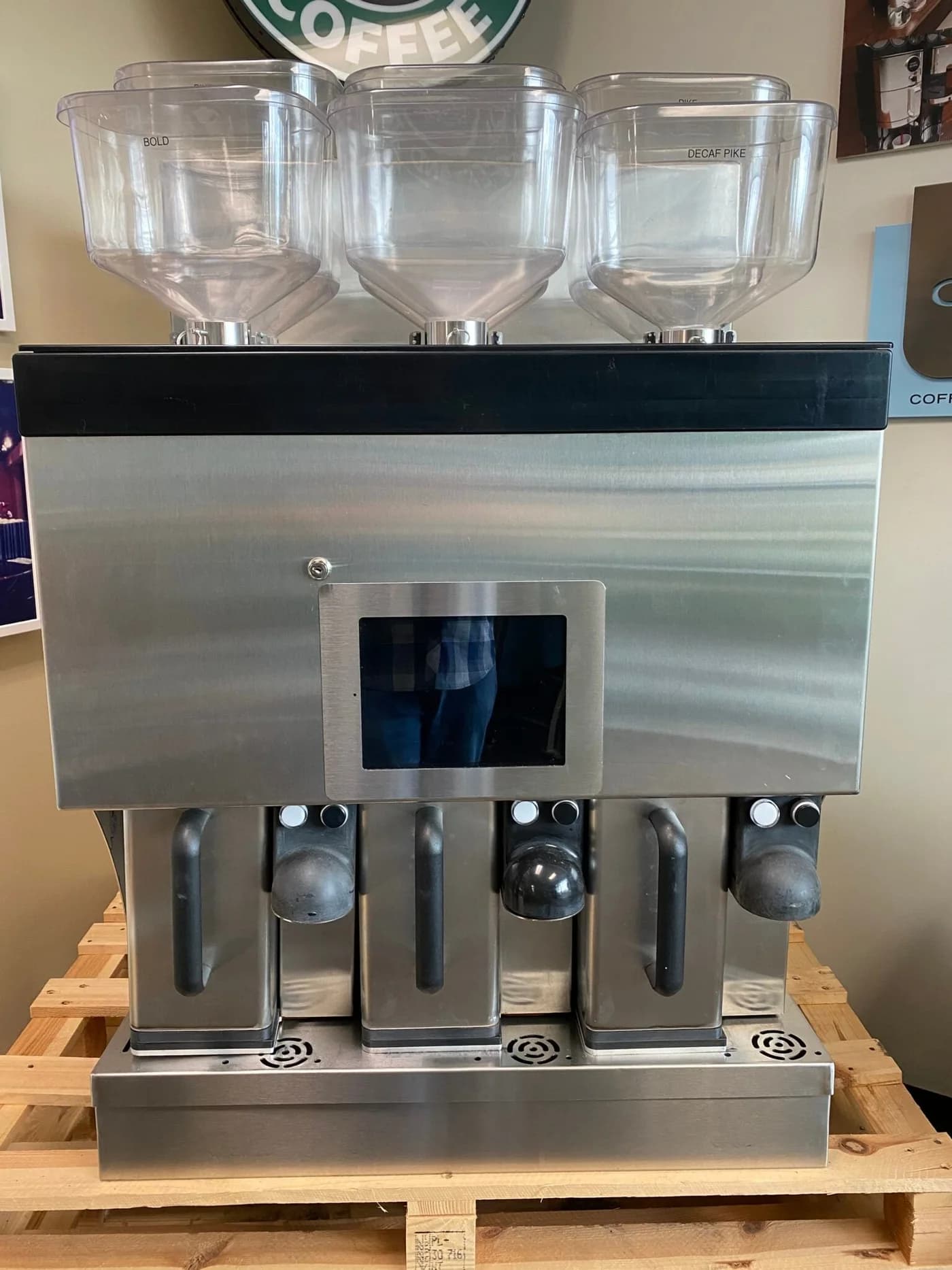
Clover Vertica, the first brewer Starbucks designed entirely in-house, makes a French press-quality cup to order in 30 seconds or less, with six coffees to choose from.
It’s rolling out across company-owned U.S. coffeehouses, and it was designed to cut waste, filters included.
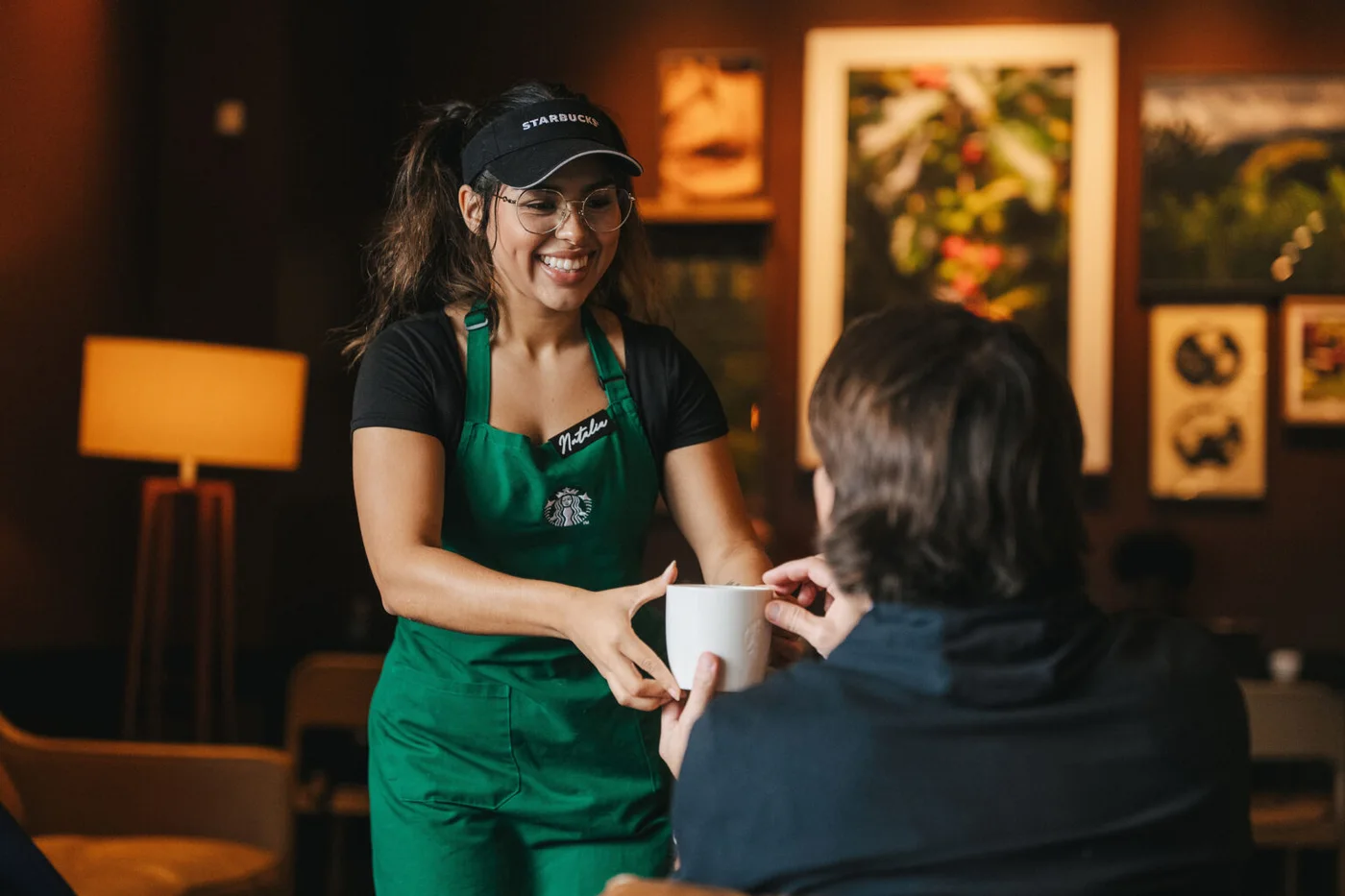
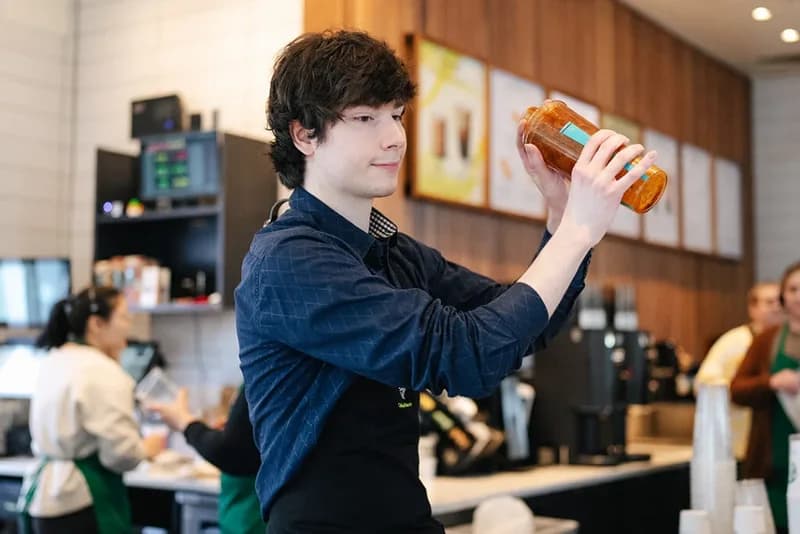
Green Apron baristas handcraft every drink, remember the regulars and customize an order however you like it. A Black Apron is the mark of a Starbucks Coffee Master.
Search by city or ZIP code for hours, directions and ordering options at the stores near you.
Opens starbucks.com. You can let it use your location there, or just type a place. This page never asks for it.
In the U.S. and Canada, a clean personal cup works everywhere you order: in the café, at the drive-thru and in the Starbucks app.
Starbucks stories on reusable cups (about.starbucks.com)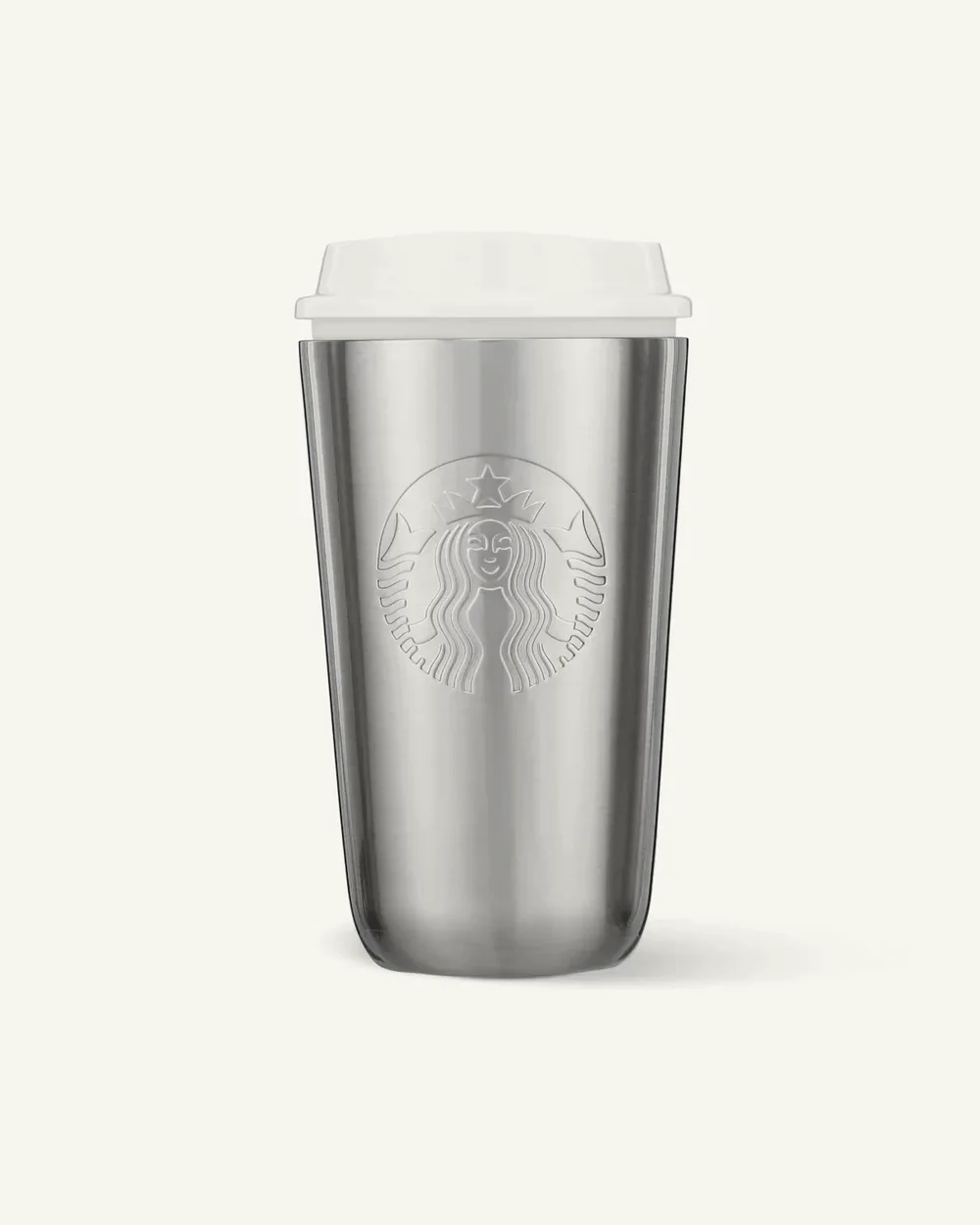
Starbucks® Stainless Steel Insulated Sleeve
SAR 93.56, 16 oz
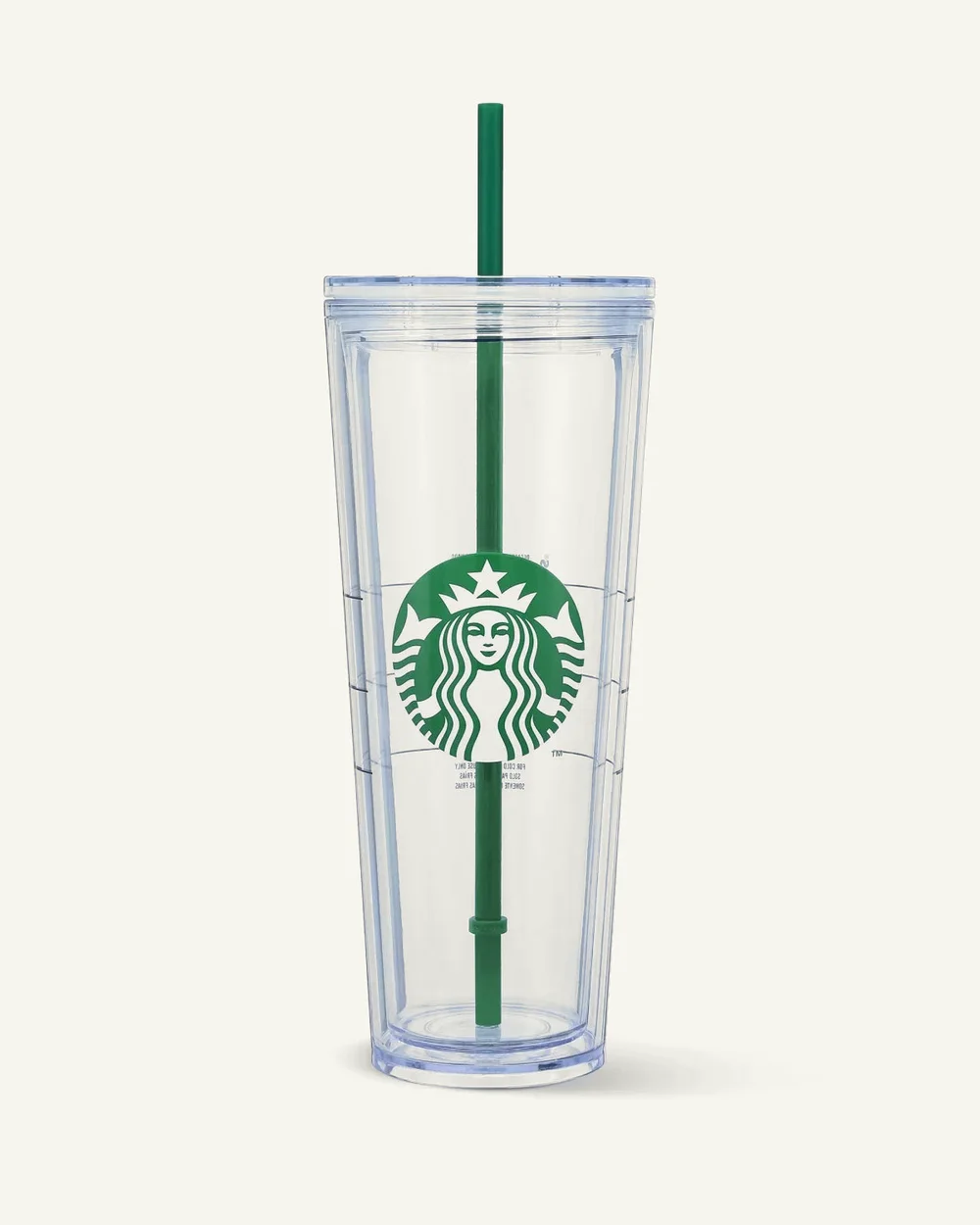
Starbucks® Classic Cold Cup
SAR 56.06, 24 oz
Answers come from Starbucks’ own Coffee Science stories and announcements.
Yes. In the U.S. and Canada you can use your own clean, personal cup in the café, at the drive-thru and when you order in the Starbucks app.
Source for “Can I bring my own cup?”Roast time. Blonde roasts are shorter, lighter-bodied and mellow. Medium roasts are smooth and balanced. Dark roasts have a fuller body and a bold, robust taste.
Source for “What’s the difference between Blonde, Medium and Dark?”Cold brew steeps in cold water for about 12 to 20 hours, so it’s smooth and chocolatey. Iced coffee is brewed hot at double strength and poured over ice, so it’s bright. An iced Americano is espresso, water and ice: bold and a little tangy.
Source for “Cold brew, iced coffee or iced Americano?”Airtight and away from light, in a cool place. An opened bag stays at its best for about a week. Grinding right before you brew keeps more of the aroma.
Source for “How should I store coffee beans at home?”No. This is a concept. Drink orders open on starbucks.com, and products open on the official Starbucks shop, where the prices shown here come from (US prices checked 22 Sep 2026, shown in SAR at the fixed 3.75 rate).
Source for “Can I order or pay on this page?”A regular since the 1990s on why a cup brewed right before he drinks it keeps him coming back.
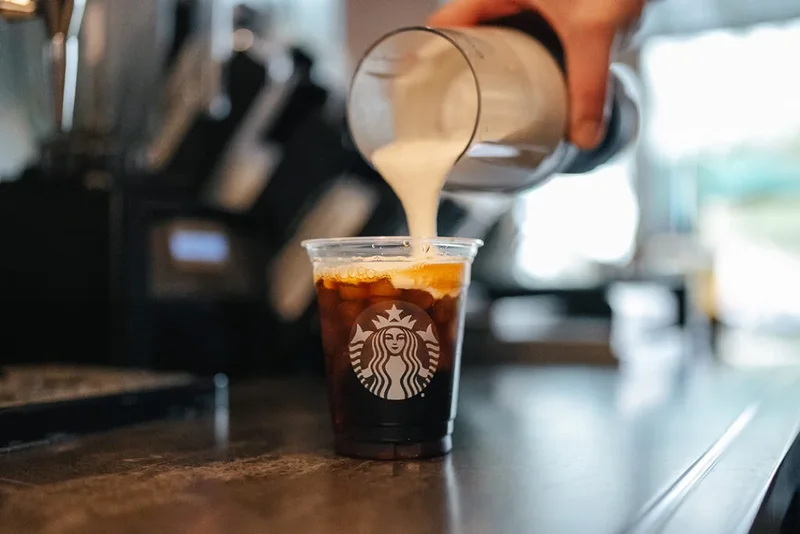
One ingredient, three methods, three very different cups.
Why “airtight and away from light” matters, and when to grind.
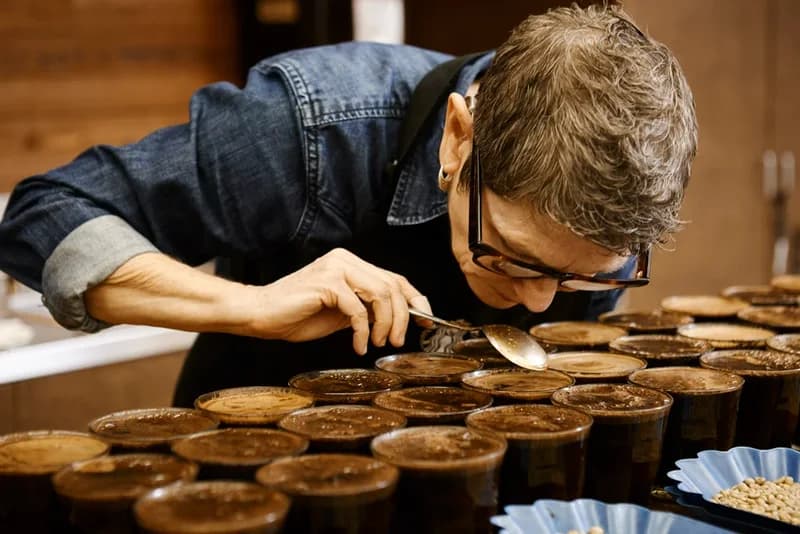
Inside Hacienda Alsacia, the cupping room and the race to grow more resilient coffee.